
In a mist-laced morning, petals drift gently in the breeze, moving through the mountains before slipping past carved wooden doors into the palace garden. They brush against pastel-colored hanbok, their silk catching the light in a soft shimmer. In that quiet stillness stands a figure, graceful and composed, as if untouched by time itself. For a fleeting moment, it feels like a dream.
But perhaps, this time, we pause. Let us step away from the screen and into the story behind it.
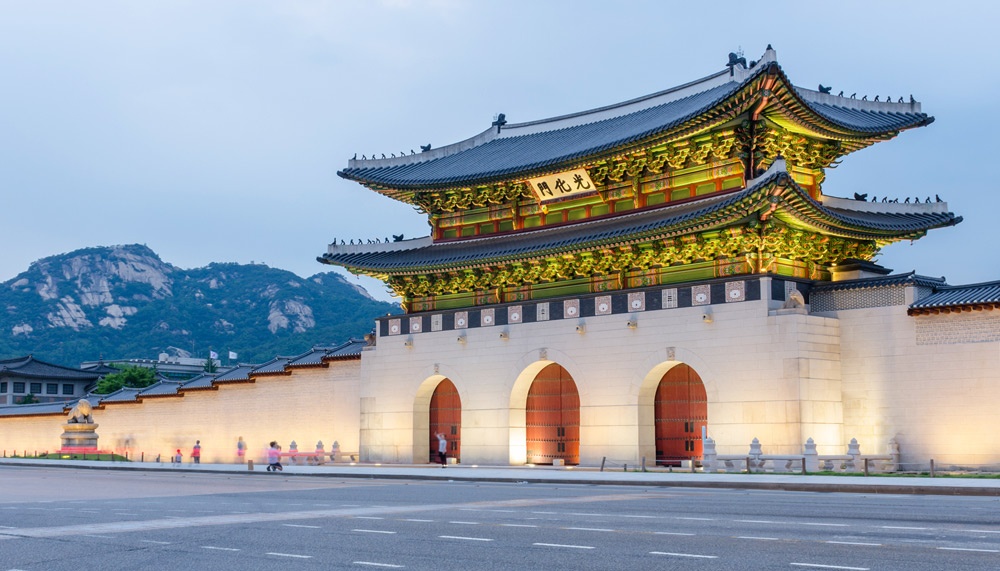
A Choice Against the Current
Returning to a time long before the petals fell, to a moment when history itself stood at the edge of a
decision. In the year 1392, under heavy skies and the weight of command, a general was ordered to lead
his army into war. The rains had come, and as the soldiers approached a raging river, its currents turned
fierce and unforgiving. One by one, men began to fall, not to battle, but to the force of nature itself. At
that moment, the general chose not to advance. He turned back.
What seemed like a retreat became a transformation. That single decision altered the course of history. In
time, that same general, Yi Seong Gye, would rise as King Taejo, becoming the first king of the era and
marking the beginning of the Joseon dynasty in Korea. From there, rather than expanding through constant warfare, the dynasty strengthened itself through diplomacy, governance, and knowledge. Systems became more defined, and society moved with a sense of direction. One of its most remarkable achievements emerged during this period: the creation of Hangul by Sejong the Great, a writing system designed with scientific precision, making literacy accessible beyond the elite.
Tides of War
Yet Joseon was not untouched by conflict. During the late 16th century, invasion brought new challenges,
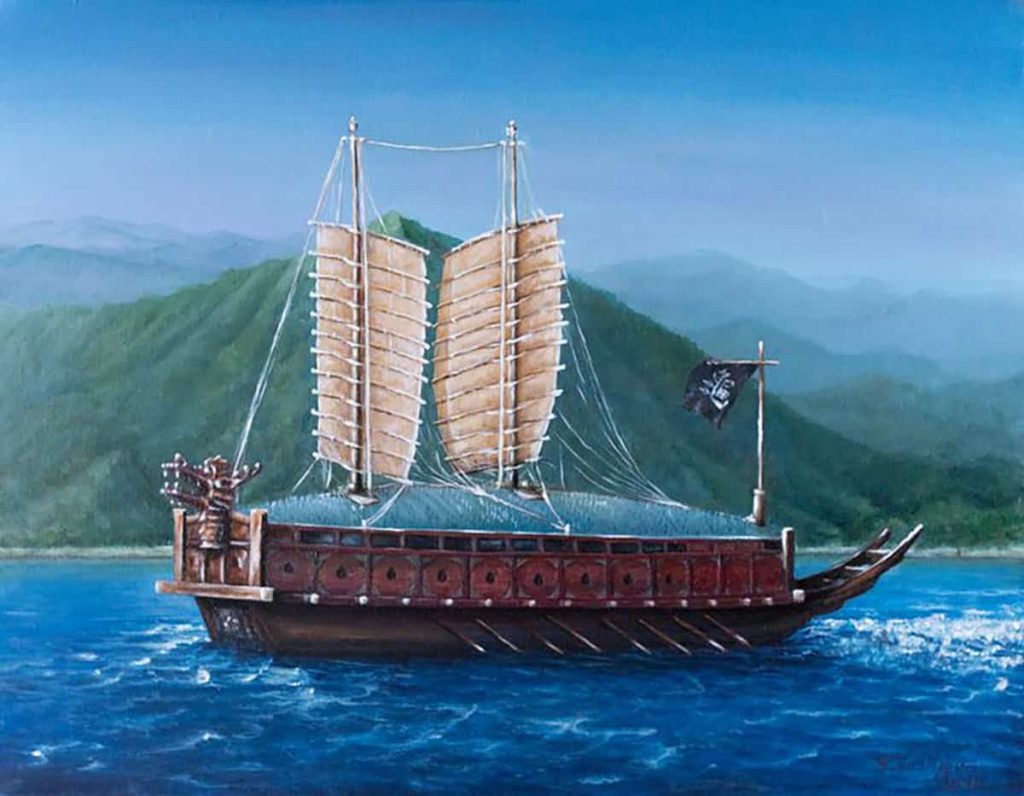
and with it came innovation. Under Admiral Yi Sun-sin, the turtle ship redefined naval warfare. Its
covered structure prevented enemy boarding, while hidden cannon ports allowed for strategic attack. In
places like the Myeongnyang Strait, even the tides became a weapon, as they change direction every 3 hours, turning nature itself into an ally against larger forces.
The Rhythm of Daily Life
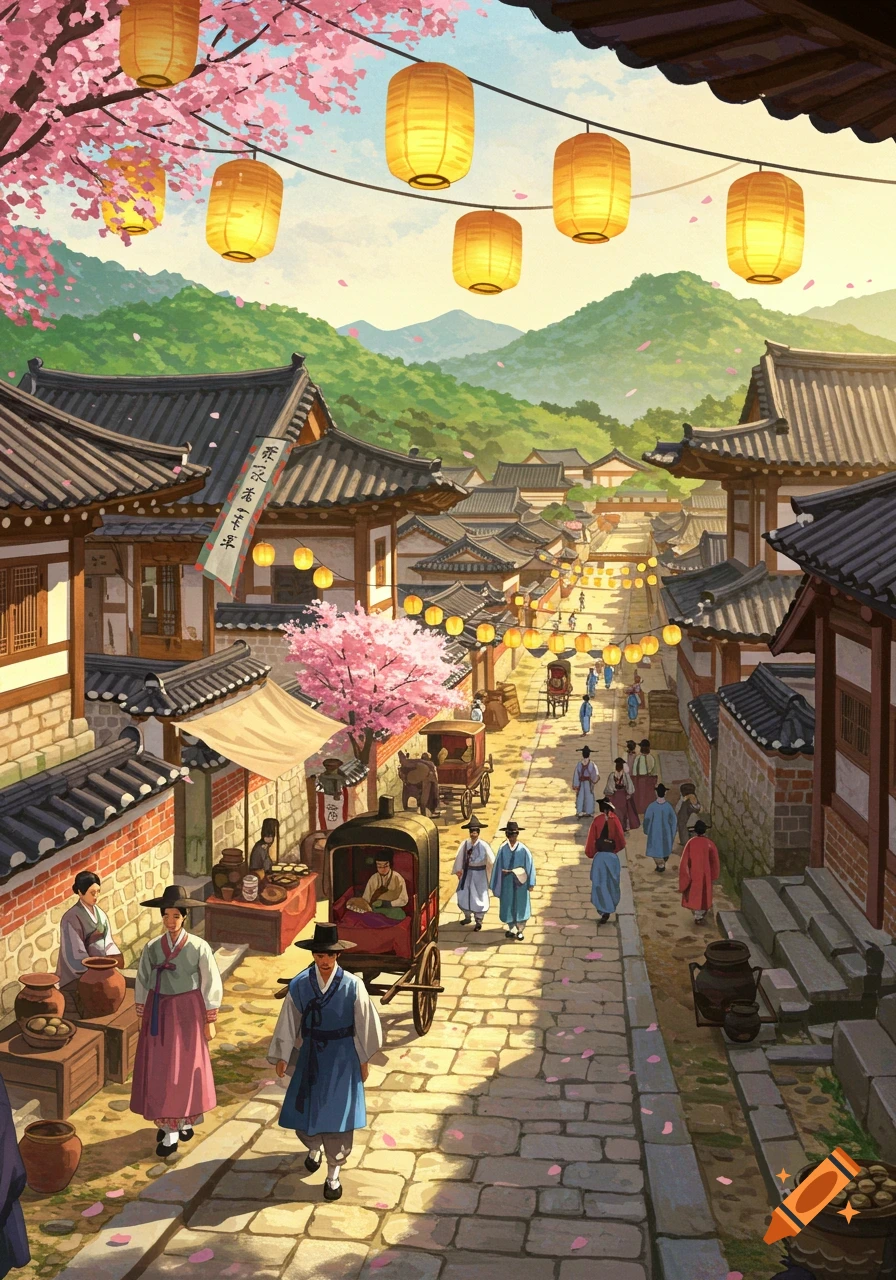
While these moments shaped its survival, the true character of Joseon emerged elsewhere, in the rhythms of everyday life. Language, customs, and practices slowly evolved into a distinct identity. Even something
as simple as a letter, written with a brush and ink, carried discipline and thought within each stroke. In
homes, food traditions developed through time. Kimchi, enriched with red pepper during this era and
preserved in earthenware jars called Onggi, reflected both patience and an understanding of nature. Alongside food, knowledge of herbal medicine also flourished. Ingredients such as ginseng were valued
not only as nourishment, but for their believed healing properties, showing a deep connection between
nature and wellbeing.
Crafted in Quiet Elegance
The simplicity of moon jars, with their soft curves and pale surfaces, reflected an aesthetic that valued
balance, imperfection, and calmness over ornamentation. Even in the smallest details, this sense of
intention could be seen. Bojagi, traditional wrapping cloths made by stitching together pieces of fabric,
reflected both practicality and a quiet sense of design. Often associated with care and good fortune, they
carried the belief that intention and harmony could bring positive meaning into everyday life. Though
shaped by broader East Asian influences, such forms were refined into something uniquely Korean. This
exchange of influence was not passive. Scholars and officials actively engaged with knowledge beyond
their borders, particularly from China, bringing back texts, ideas, and technologies. These were studied,
adapted, and gradually woven into local practices, allowing Joseon to grow through both tradition and
learning. Its architecture, structures such as Gyeongbokgung Palace, embodied order and spatial harmony, while Hwaseong Fortress demonstrated careful planning and technical advancement. Built with organised methods and paid labour, it reflected an awareness of both innovation and human effort, a notable approach for its time.
Legacy
“The past lives on in the hearts of the people.”- Korean proverb
And it is through that quiet devotion that a legacy was preserved, shaped by the passion of its people and their enduring respect for history. Yet no era remains unchanged. Over time, internal shifts and external pressures reshaped the fate of the dynasty. After centuries of continuity, Joseon came to an end as the land became entangled in the ambitions of larger powers. And yet, it did not vanish. Palaces were rebuilt. Traditions endured. What remains is not simply history, but continuity, carried forward in space, memory, and identity.
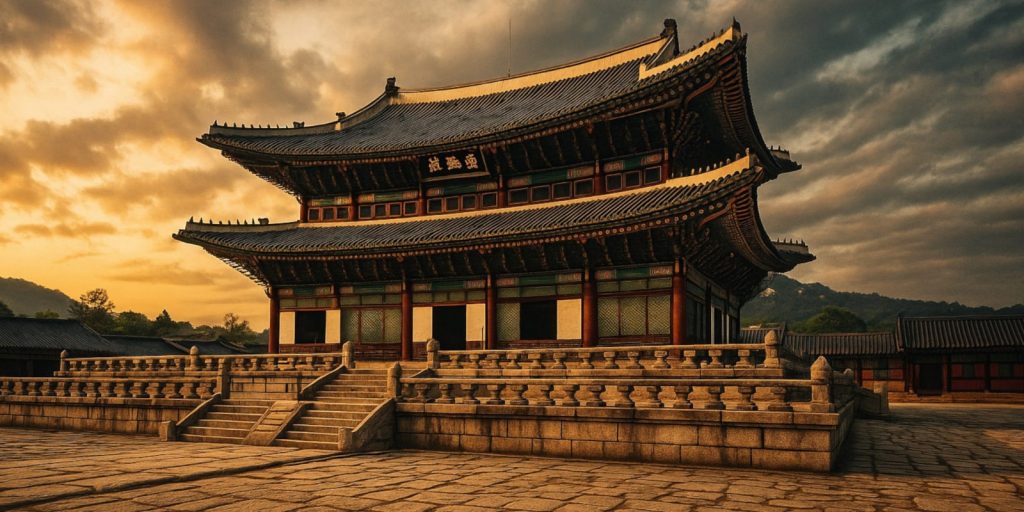
Today, we look upon those same gardens, the flowing hanbok, the quiet echo of footsteps across wooden
floors, and realise we are witnessing more than beauty. We are witnessing echoes. Echoes of decisions
that altered history, of resilience shaped through time, of people who built meaning through both great
moments and quiet details. The petals may have long since drifted away, yet their story endures, carried
through memory and silence, beneath a sky where the legacy of Joseon still lives on.
By Rtr.Thiyumi Wijemuni
Image Credits-
- https://tinyurl.com/56b8hz7y
- https://tinyurl.com/yc5stzvd
- https://tinyurl.com/3827297a
- https://tinyurl.com/3mvn5wvc


Leave a Reply