
“Mental health problems don’t define who you are. They are something you experience. You walk in the rain and you feel the rain, but you are not the rain.”
-Matt Hai
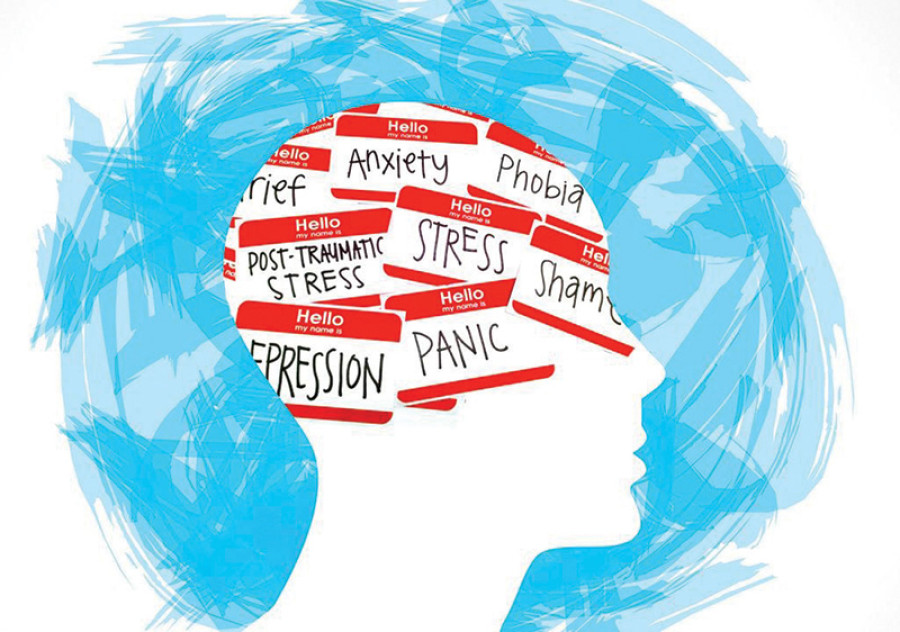
In a baffling study conducted by the Harvard Medical School and the University of Queensland,
it was concluded that one out of two people in the world will develop a mental health disorder
in their lifetime. Despite the unfortunate increase in the prevalence of mental health conditions, a vast majority of people lack proper knowledge on the matter. Owing to this, there’s a large
stigma in our society. Moreover, individuals with such disorders may feel lost and helpless due
to the lack of awareness on such conditions and a proper diagnosis. In this article, let’s focus
on six common mental health disorders.
Depression
Depression is a state of prolonged sadness and hopelessness with a loss of interest in activities
once enjoyed. Symptoms can range from mild to severe and include feeling sad and hopeless
with no clear reason, disrupted sleep, poor concentration, loss of appetite, feeling worthless,
being easily irritated and having low energy. This is one of the most common mental health disorders and
WHO estimates that about 5% of the world population suffers from depression. Causes
and risk factors include high levels of stress, abuse, genetics, poverty, medical conditions and
chemical imbalances in the brain. Depression is a broad term and it’s important to note that
there are many subtypes, like Major Depressive Disorder (including Seasonal, Atypical and
Postpartum Depression), Persistent Depressive Disorder and Disruptive Mood Dysregulation
Disorders that have different causes and symptoms.
Anxiety Disorder
It’s completely normal to feel anxious and nervous at times. However, an anxiety disorder is
when these feelings persist with a combination of dread and without a specific reason. Often
resulting from a combination of social, emotional and biological factors, people with this
disorder are often worried and have no or very little control over their anxious thoughts. This
can make navigating day-to-day life extremely stressful. Having a sense of impending doom,
heart palpitations, chest pain, excessive sweating, avoiding situations that will trigger their
anxiety, hyperventilation, constantly feeling tired and gastrointestinal problems are some of
the common symptoms. Agoraphobia, generalized anxiety disorder, social anxiety disorder,
Separation anxiety disorder and phobias are some forms of anxiety disorders.
Bipolar Disorder
Bipolar disorder is a mental condition that causes serious mood swings. Unlike depression
where there’s a prolonged phase of feeling low, bipolar disorder alternates between extremely
high (called a manic state) and extremely low (depressive) phases. People with this disorder
also have periods of normal mood, they aren’t always manic or depressed. However, the
duration and recurrence of each period are unpredictable. During manic phases, they may
indulge in reckless behaviour that is often harmful, have high energy, be unusually over-confident and have racing thoughts. The depressive episodes result in feelings of worthlessness
and the usual symptoms of depression. Though the exact cause of this disorder is unknown,
some risk factors include life problems, life-altering events, genetics and extreme stress.

Schizophrenia
Another serious mental health condition, schizophrenia is characterized by hallucinations
(hearing and seeing things that don’t exist) and delusions (strongly believing in false beliefs
that are impossible to be true) which ultimately disconnects the individual from reality. Other
symptoms include the lack of normal muscle function, confused speech and disorganized
thoughts. The main causes of schizophrenia are chemical imbalances in the brain, loss of
connection among different brain regions and brain damage before birth.
Obsessive Compulsive Disorder
As its name suggests this disorder causes people to have obsessions (frequent occurrence of
unwanted thoughts) and compulsions (repetitive behaviours, usually done as responses to
obsessions). Obsessions will increase stress levels, resulting in an increase in compulsions as
a form of stress relief. Therefore, OCD is a harmful cycle. Examples for obsessions are the
extreme fear of dirt and contamination, feeling stressed when objects aren’t placed in a
particular way, having thoughts about harming oneself or others and the extreme fear of
forgetting something. Excessive cleaning, frequently rearranging items in a specific order and
repeatedly checking things are some of the common compulsions. These behaviour patterns
are often time-consuming and can severely hinder the lifestyles of individuals.
Post-Traumatic Stress Disorder
Commonly called PTSD, this is caused due to being affected or being an observer of traumatic
experiences like war, abuse, accidents, disasters and other life-altering harmful events. This
condition can also develop in people whose loved ones have faced such traumatic events. Those
affected always feel that they’re in danger, even under perfectly safe conditions. Symptoms
range from having vivid flashbacks, nightmares, distressing thoughts, avoiding places
associated with the event, having no memory of the experience, sudden outbursts and social
isolation.
As you can see, mental health disorders unveil themselves in varying forms. It should be
understood that symptoms may differ from person to person and can even go undetected.
Hence, it’s important to view every member of society with empathy and a sense of
understanding, for we never know what someone is going through. This article contains only a brief
overview of a few common disorders; however, there are numerous such disorders that aren’t
well known. On the bright side, most of these conditions can be treated and a significant
improvement can be observed by various medications and different forms of therapy. If you or
a loved one suspects such a disorder, please do not hesitate to seek help.
Always remember that whatever you’re going through, you are not alone!
By Rtr. Januthi Guruge
Image Credits:
- http://tinyurl.com/38t938fe
- http://tinyurl.com/4p87fajv
- http://tinyurl.com/266pt7nb
- http://tinyurl.com/y8yn9mp4
References:
- World Health Organization: WHO. (2022, June 8). Mental disorders. http://tinyurl.com/mr3zpyu3
- British Psychological Society (UK). (2011). COMMON MENTAL HEALTH DISORDERS. Common Mental Health Disorders – NCBI Bookshelf. http://tinyurl.com/4ddazbpy
- Professional, C. C. M. (n.d.). Mental health disorders. Cleveland Clinic. http://tinyurl.com/39y89z5a
- Livingston, G., & Cooper, C. (2004). User and carer involvement in mental health training. Advances in Psychiatric Treatment, 10(2), 85–92. https://doi.org/10.1192/apt.10.2.85
Stay tuned with our Tranquil U blog series to explore more about mental health.




Well written! ❤️✨️
Ohh this is written by youu!! Well done!! I love it!!
✍💖