
The first time I was introduced to Greek mythology was when I borrowed The Percy Jackson and The Lightning Thief from my school library and got pulled into a world of Greek Gods, Cyclops and talking goats. I remember wanting to know about Greece and its refreshing yet deep roots of culture. Ever since it has been one of my top dream destinations to travel as well.
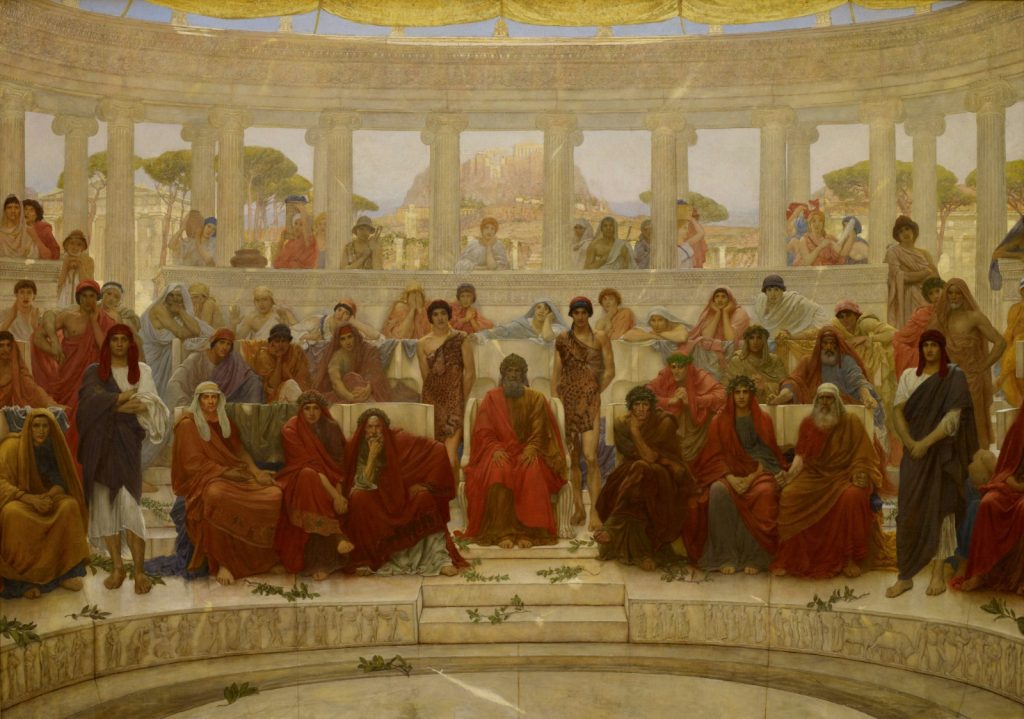
When we think of Ancient Greece, our minds often jump to white marble statues and bearded philosophers. But what was it actually like to live there? How did a civilization of almost 2500 years ago shape the way we think about art, philosophy and medicine today?
Surely, the images of ancient Greeks lounging in tunics around tables piled with meals fit for royalty must have popped into one’s mind. But the reality is far more humble. And healthy, of course. Their daily diet consisted mainly of their staple, which was bread. Bread with cheese, fruits like figs and grapes, and vegetables like lentils, onions and garlic. Olives and olive oil were everywhere, from cooking to lighting to even being used as soap. Meat was a rare treat, only consumed during religious festivals.
What is a Symposium?
If you were a wealthy Greek man, you might be invited to a symposium. This was one of the most distinct social institutions of ancient Greece, an after-dinner drinking party. This was more than a mere party, this was the place where men indulged in conversations ranging from politics to philosophy, played games, recited poetry, debated ideas and drank wine until the break of dawn.
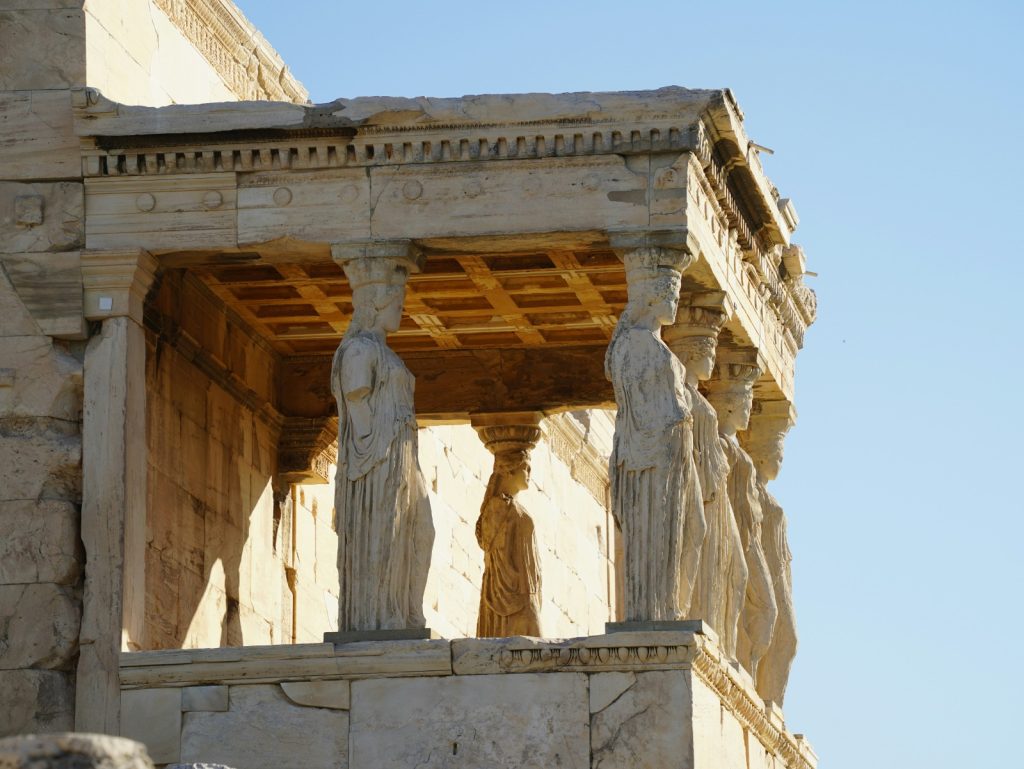
It was also one of the places where men could interact with hetaera. Hetaerae were beyond just high-class courtesans as they were educated, cultured, with the ability to discuss philosophy, poetry and politics, often musicians, dancers and conversationalists. They were the only women who participated in symposia alongside men. They were independent by Greek terms, with the privilege to own property and pay their own taxes. A wealthy Greek man who craved intellectual and romantic companionship would turn to a hetaera rather than his wife, who was often illiterate and confined to the home.
Marriage was a business deal and never about love. It was a socio-economic arrangement between families with the clear purpose to produce heirs to inherit property and continue the family line.
The Greek economy ran both on cash and barter. While cities used coins for trade, many rural communities were accustomed to exchanging goods directly. They also catered diverse options of jobs, ranging from farmers to potters to metalsmiths, to traders and much more.
Art was something truly exceptional in Ancient Greek. Greek sculpture was something that evolved over centuries, and that evolution tells us how the Greeks themselves were changing. Imagine a young man standing stiffly, both feet flat, fists clenched, with a strange, fixed smile that seems to look past you, that was the Archaic period. In the Classical period, also known as the Golden Age of Greek sculpture, naturalism was at its peak. Following that, they started focusing more on emotion, drama since art became more diverse as Greek culture started spreading across the world.
Philosophy was a way of life for the Greeks. Greece was the motherland to many iconic philosophers whose words we still ponder. Socrates, Plato and Aristotle are a few among those. Their ideologies weren’t just politics and debates, they influenced art, vision and their deep-rooted culture. These philosophers asked questions, trying to show commoners that they didn’t know what they thought they knew.
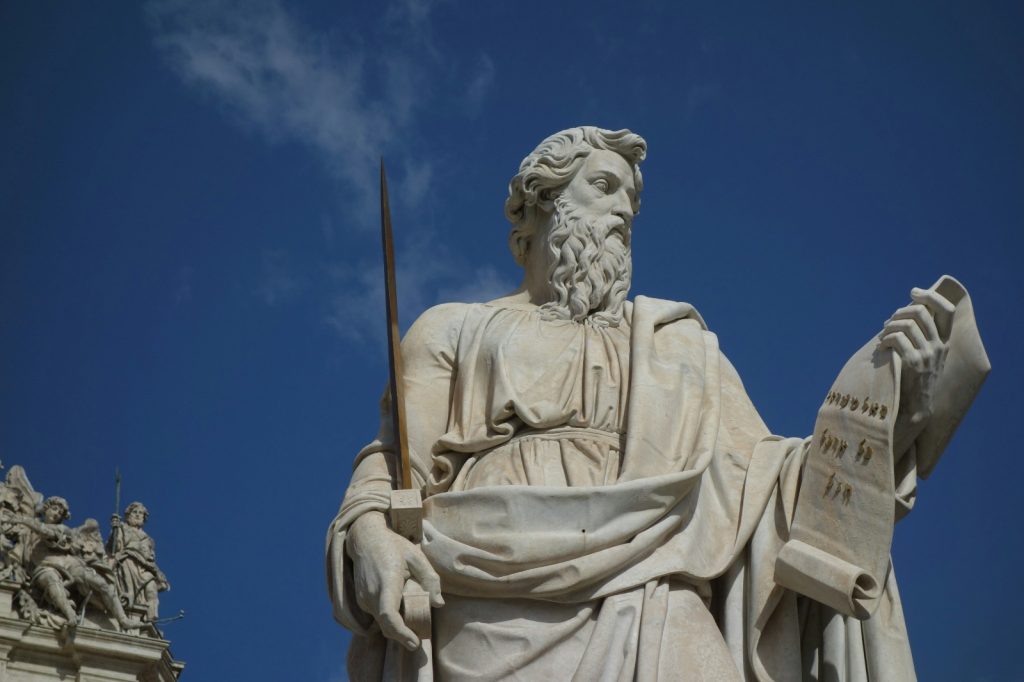
Before Hippocrates, illness and disease were understood as divine punishment. The treatment was prayer, sacrifice and a trip to a temple of Apollo, the God of Healing. Hippocrates changed it all by insisting that illnesses had natural causes and discovered treatments by recording symptoms, which fueled the birth of clinical medicine. Well, that is why new doctors swear the Hippocratic oath before assuming service.
Greek mythology was history, religion and psychology rolled into one in Ancient Greece. Every public event, competition, meeting began with religious rituals. Each household had its own small shrine, and every city has its patron god. Every myth we have heard has expressed a deeper truth about human nature. These stories have resonated for so many years and will do for many yet to come. For instance, Pandora’s jar gave us every evil, but it also gave us hope. The question is whether hope is a blessing or the cruelest gift of them all.
From each of the above perspectives and some more, Greek culture has entwined itself with everyone across the world. Every time we watch a movie about heroes, or read a book, we are living a Greek myth retold. Every time we think about democracy or justice, or a doctor takes an oath, we are hearing echoes of that small, rocky peninsula that changed the world.
The Greek Experience was not a perfect one. It was built on slavery, confined women to their homes, and accepted practices we now find appalling. But it was also the first civilization to question systematically and passionately, what it meant to be human?
And we are still searching for the answer today.
Written by: Rtr. Vishael Denislaus


Leave a Reply